
How To Create a Wedding Day Timeline That Actually Works
September 9, 2024
A wedding day timeline is the one thing that stands between a day that flows beautifully and one that feels like you’re constantly playing catch-up. And most couples underestimate it completely.
I’ve planned weddings at some of the UK’s most beautiful venues from Hedsor House in Buckinghamshire to Ashridge House in Hertfordshire and surprise proposals at stunning locations like Euridge Manor in the Cotswolds. The one thing I’ve learnt across all of it is this: a great timeline isn’t just a schedule. It’s the invisible backbone of your entire day.
In this guide I’m going to walk you through exactly how to build one that works — not a generic template you found on Pinterest, but a real, practical timeline that accounts for the things most couples never think about until it’s too late.
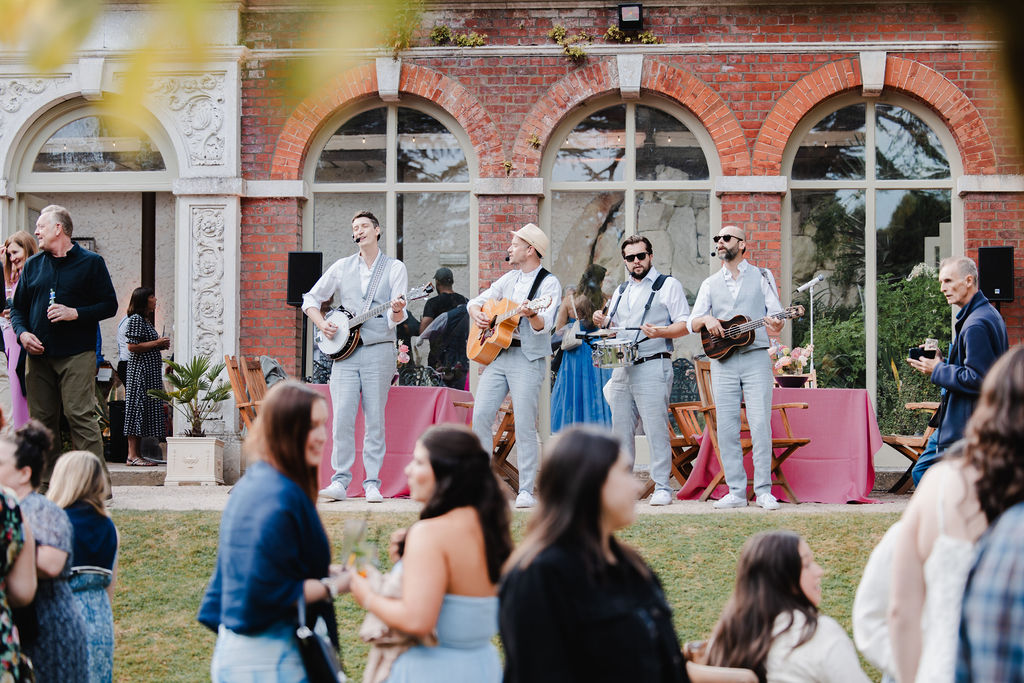
Photography by Manu Singh Photography
When Should You Start Planning Your Wedding Day Timeline?
Most couples leave the timeline too late. By the time they think about it seriously, suppliers are already booked, the venue has its own schedule, and there’s very little wiggle room left.
Ideally, you want to start building your timeline as soon as your key suppliers are confirmed your photographer, caterer, hair and makeup artist. These three will dictate a huge chunk of your day. Your photographer will tell you how much time they need for couple shots. Your caterer will tell you how long the service takes for your guest numbers. Your hair and makeup artist will give you a start time based on how many people are in the bridal party.
Get those three timings locked in first. Everything else builds around them.
What Should a Wedding Day Timeline Include?
No two wedding day timelines look the same. A relaxed country house wedding in Hertfordshire runs very differently to a multicultural wedding with a religious ceremony, a costume change and two separate receptions.
Before you start slotting times into a spreadsheet, you need to get clear on a few things. What are the non-negotiables for your day? Are there cultural or religious elements that need specific time built around them? Are there elderly guests or young children who need to be considered? Is your ceremony and reception in the same venue or are you travelling between locations?
These aren’t small details. They shape the entire structure of your day. A good wedding planner will ask you all of this before putting a single time on paper.
How Much Buffer Time Do You Need in a Wedding Day Timeline?
This is the one thing most couples skip and almost every couple regrets.
Buffer time is basically your safety net. It’s the 15-20 minutes you build in between getting ready and leaving for the ceremony. It’s the 30 minutes you factor in after the reception drinks before guests are called in for dinner. It’s the breathing space that means when something runs late — and something always runs late — your whole day doesn’t unravel.
A good rule of thumb is to add at least 15 minutes of buffer for every major transition in your day. Getting ready to ceremony. Ceremony to drinks reception. Drinks reception to wedding breakfast. Each of those transitions has the potential to run over and if you haven’t planned for it you’ll spend your wedding day feeling rushed.
I’ve never once had a couple say there was too much buffer time in their timeline. I’ve had plenty say there wasn’t enough.
How to Factor Travel Time Into Your Wedding Day Timeline
If your ceremony and reception are at the same venue, lucky you — this bit is straightforward. But if you’re moving between locations, travel time can quietly destroy your timeline if you don’t plan it properly.
And I don’t just mean the driving time. I mean the time it takes to get 150 guests out of a church and into cars. The time it takes the bridal party to do a quick confetti shot outside before getting in the car. The time it takes your photographer to get ahead of the convoy to capture you arriving. All of that adds up.
For UK weddings specifically, always build in more time than Google Maps tells you. Bank on traffic, bank on roadworks, bank on the fact that someone in the bridal party will have forgotten something. If you’re doing a church ceremony followed by a reception venue, I’d recommend adding at least 45 minutes to whatever journey time you think it’ll take.
Arrive early and you’ve got a lovely moment to breathe. Arrive late and you’re already behind before the reception has started.
How to Build Your Photographer and Videographer Into Your Wedding Day Timeline
Your photographer and videographer are the two suppliers who will have the biggest impact on your timeline so get them involved early.
Before you finalise anything, have a proper conversation with your photographer about how much time they need. Couple shots alone can take anywhere from 30 minutes to an hour and a half depending on the style of photography you’ve booked. If you want golden hour shots that beautiful light just before sunset you need to know exactly what time sunset is on your wedding date and work backwards from there.
The same goes for group family shots. These take longer than anyone expects. A list of 10 family group combinations can easily eat 45 minutes if it’s not managed properly. Give your photographer the list in advance and nominate someone from the family to round people up. Not your job on your wedding day.
One more thing, if you’re getting married at a venue like Hedsor House or Ashridge House where the grounds are stunning, factor in extra time for location shots. You’ll want them and you’ll be glad you planned for them.
How Long Does Wedding Breakfast Service Take?
This is one of the most underestimated parts of the whole day and your caterer is the person you need to talk to first.
Service time depends on two things, your guest numbers and your chosen service style. A three-course plated dinner for 80 guests runs very differently to a sharing feast for 150. Your caterer will give you realistic timings based on their team size and your menu. Take those timings seriously. Don’t assume you can shave 20 minutes off because you want to get to the dancing earlier.
A few things that consistently slow down wedding breakfast service that nobody warns you about. Dietary requirements that aren’t communicated clearly to the kitchen. Guests who wander back in late from the bar. Speeches that run over and they always run over. Build time around all of these.
Speaking of speeches decide early whether you want them before the meal or after. During is a firm no from me. Nobody wants to be mid-mouthful when the best man drops his best line. Before the meal means everyone is fresh, attentive and the anticipation is high. After means everyone is relaxed and well fed but energy can dip, especially with elderly guests or young children in the room. Either works but it needs a decision and it needs to be in the timeline.
What Time Should Hair and Makeup Start on a Wedding Morning?
Earlier than you think. That’s the short answer.
The longer answer depends on how many people are in your bridal party. Your hair and makeup artist will give you a time per person usually between 45 minutes and an hour for makeup and the same for hair. Multiply that by the number of people being done, add 15 minutes contingency per person, and then work backwards from when you need to leave for the ceremony.
So if you have a bridal party of 5 including yourself and you’re leaving at 1pm, you’re potentially looking at a 6.30am start. That’s not unusual. That’s a normal wedding morning.
A few things that will slow down your morning if you don’t plan for them. Breakfast, everyone needs to eat and nobody thinks about when. Getting dressed, more time than you think, especially with a complex dress or a saree. The photographer arriving to capture getting ready shots. Family members popping in. Emotions running high.
My advice is always to get yourself done second to last. Not last. You want to be ready, composed and present when your bridal party is finished — not still in the chair when it’s time to leave.
Why Your Wedding Day Timeline Needs Quiet Moments Built In
This one is personal to me because I see it missed on almost every timeline I’ve ever reviewed.
Your wedding day is the most emotionally full day of your life. You will be pulled in every direction, guests wanting photos, family wanting a moment, suppliers needing a quick word. If you don’t consciously build in quiet moments for you and your partner, the day will be over before you’ve had a chance to actually feel it.
I always build in at least two moments for my couples. One just after the ceremony even just 10 minutes alone together before you walk into the drinks reception. You’ve just got married. Take a breath. The guests can wait. And one during the reception, usually just before the wedding breakfast is called, to just stand together, look around the room and take it all in.
These moments cost you nothing in terms of logistics. But couples who have them always tell me afterwards it was one of the things they were most grateful for.
Your guests are fine. They have drinks, they have each other. You deserve 10 minutes to just be married.
Why Every Supplier Needs a Copy of Your Wedding Day Timeline
Your timeline is only as good as the number of people who actually have it.
Every single supplier working on your wedding day needs a copy. Your photographer, videographer, caterer, florist, band or DJ, hair and makeup artist, toastmaster if you have one. All of them. And not just a copy — a copy that’s specific to them. Your caterer doesn’t need to know what time the photographer is doing couple shots. Your photographer doesn’t need the full catering schedule. Give each supplier a version that highlights their key timings and makes it impossible for them to miss what they need to know.
Also nominate a point of contact for each supplier on the day. On a fully planned wedding that’s me. On an on the day coordination that’s also me. But if you’re planning your wedding yourself, decide in advance who suppliers call if they have a question or a problem on the day. It should not be you or your mum. It should be someone whose only job that day is logistics.
Because your only job on your wedding day is to get married and enjoy every second of it.
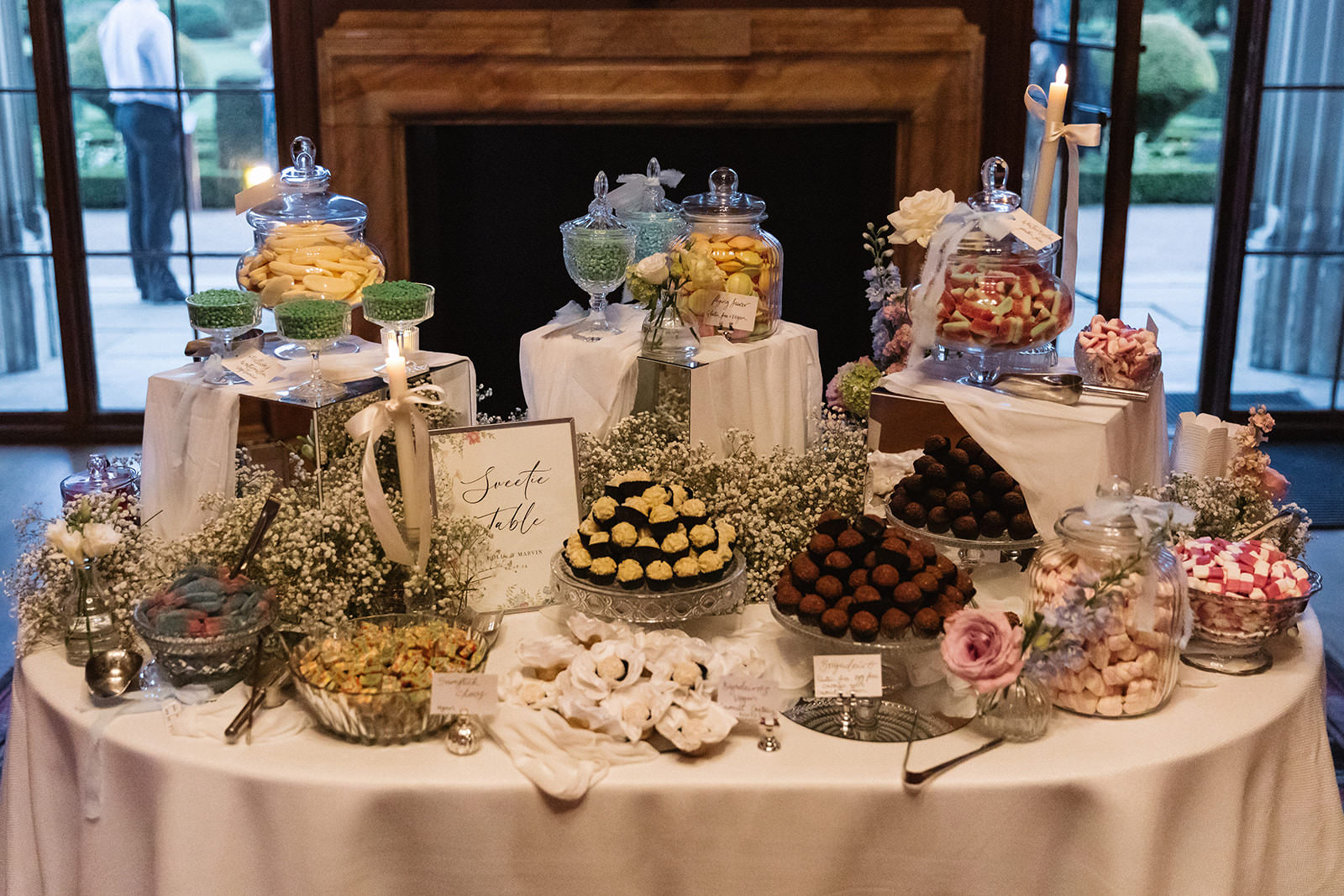
Photograph by Lewis Membry
Do You Need a Wedding Rehearsal and Should It Be on the Timeline?
For most UK weddings a full rehearsal isn’t standard practice the way it is in the US. But for certain elements of your day it’s absolutely worth doing and it needs to be planned in advance not left to the morning of.
If you have a complex ceremony — a religious ceremony with specific rituals, a multicultural wedding with elements that need coordination, a ceremony with multiple readers or a live musician — a rehearsal will save you a lot of stress on the day. Even just walking through the order of events once means everyone knows where to stand, when to move and what’s expected of them.
For processional order specifically I always recommend a quick run through. Who walks in with whom, at what pace, to what piece of music. It sounds simple until you’ve got a nervous father of the bride and a string quartet and nobody is quite sure when to start walking.
A rehearsal doesn’t need to be long. An hour is usually enough. But it needs to happen the day before at the venue if possible, not on the morning of the wedding when everyone is already emotional and pressed for time.
Planning Your Wedding Day Timeline: Final Thoughts
A wedding day timeline isn’t a nice to have. It’s the difference between a day you’re present for and a day you spend firefighting.
The couples I work with are busy, time poor and often have no idea where to start with something like this. That’s exactly why I exist. Whether you need someone to take the whole planning process off your hands or just need an expert to sense check what you’ve already put together, I can help.
I have worked with couples across the UK planning full weddings and on-the-day coordination at venues like Hedsor House, Offley Place, Hunton Park, Bodleian Library, Ashridge House, Euridge Manor, Intercontinental London Park Lane and Nunsmere Hall to name a few. If you’re planning an India, multicultural or interfaith wedding or a destination wedding in the UK or simply want someone in your corner who’s done this enough times to know where things go wrong — let’s talk.
Frequently Asked Questions About Wedding Day Timelines
How long should a wedding day timeline be?
A typical UK wedding day runs between 10 and 12 hours from the bride getting into the chair for hair and makeup to the last dance. Some longer receptions or multicultural weddings with multiple ceremonies can run longer. The key is not how long it is but how well it’s structured.
What time should a wedding ceremony start?
Most UK wedding ceremonies start between 1pm and 3pm. Earlier ceremonies give you more time for photos in natural light and a longer evening reception. Later ceremonies can feel more relaxed on the morning but compress everything that follows. There’s no perfect time — it depends on your venue, your suppliers and what matters most to you on the day.
How far in advance should I create my wedding day timeline?
Start the outline as soon as your key suppliers are booked. Finalise it no later than four weeks before the wedding once all supplier timings are confirmed. Send it to all suppliers at least two weeks before the day.
Do I need a wedding planner to create a timeline?
No but it helps. A wedding planner who knows your venue and your suppliers will spot problems in a timeline that you’d never see coming. If you’re planning your wedding yourself and just need an expert eye on your timeline, my Planner in Your Pocket service was built exactly for that.
What is the most common mistake couples make with their wedding day timeline?
Not building in enough buffer time and leaving the timeline too late. Every single time.
FIND US ON INSTAGRAM


SHARE: